ADM MILESTONES
ADM was conceptualised 2010 by developers at BBC R&D as it became clear that future audio will not just go beyond conventional 2.0 and 5.1 representations, but demands regarding speech intelligibility and accessibility will require more flexible and intelligent approaches from production to delivery.
The idea was to address these challenges with an "object-based" approach, i.e. by accompanying metadata that can control a renderer while offering the listeners interactivity for personalisation. This was one of the first visualistions of the concept.
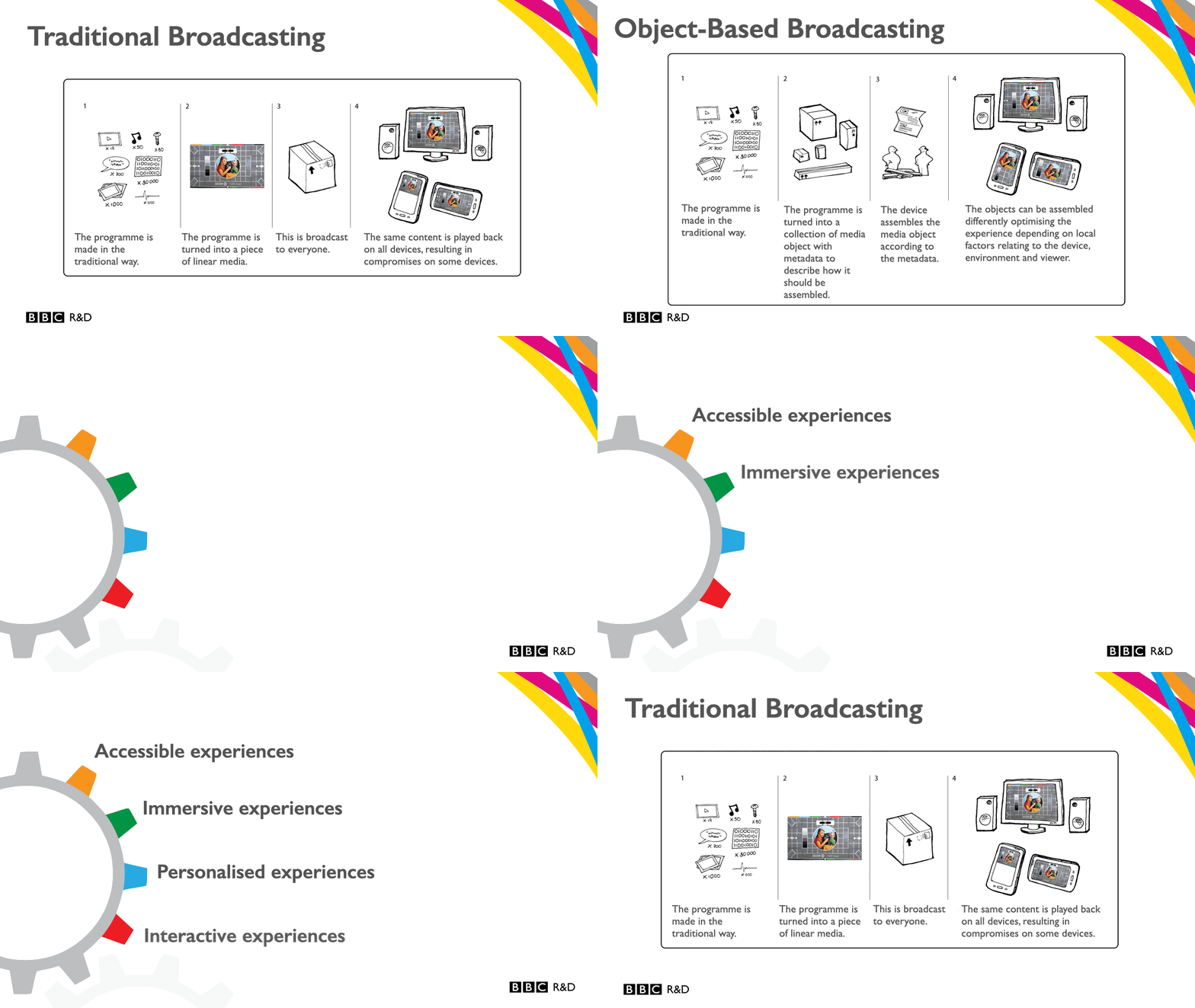
.....
Here the milestones of ADM
-
2015: ITU-R BS. 2076-0 was first published in 6 languages. This recommendation by the ITU Radiocommunications Assemby marks the birth of ADM in the public. It corresponds to ITU-R BS.2015: Advanced sound system for programme production that, for the first time, outlined the scope of future audio systems for digital broadcasting and digital cinema.
-
Dec 1 2015 - May 31 2018: ORPHEUS
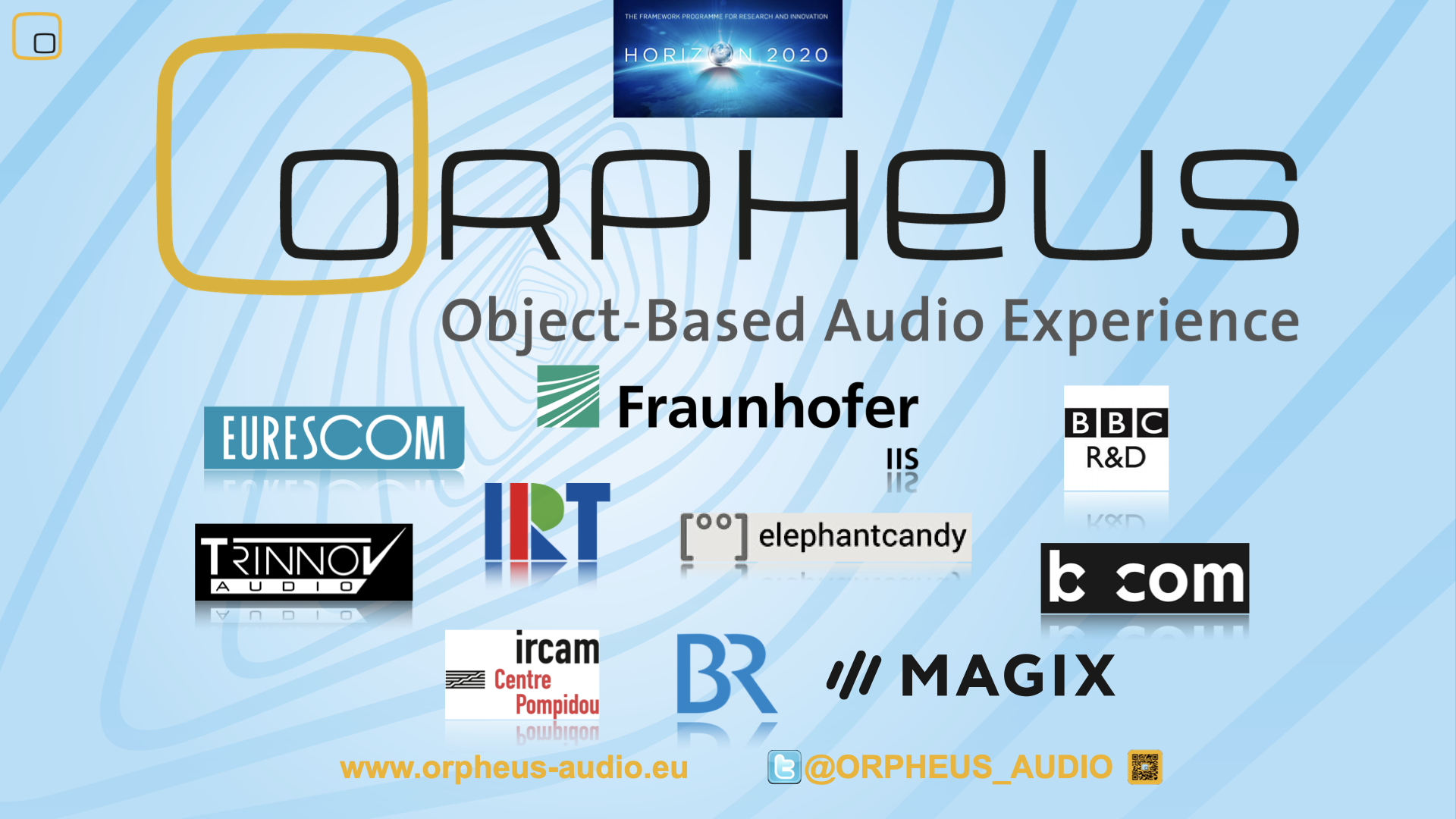
The EU-funded HORIZON 2020 project assembles major audio research institutes and industry partners, with the aim to design and implement the first end-to-end object-based audio broadcast chain. ADM is one of the core technologies included - and a main components for ADM, can be developed: [libadm], [libbw64] and EAR - The EBU ADM Renderer, which will become the reference implementation of Audio Definition Model renderer for advanced sound systems ITU-R BS.2127.
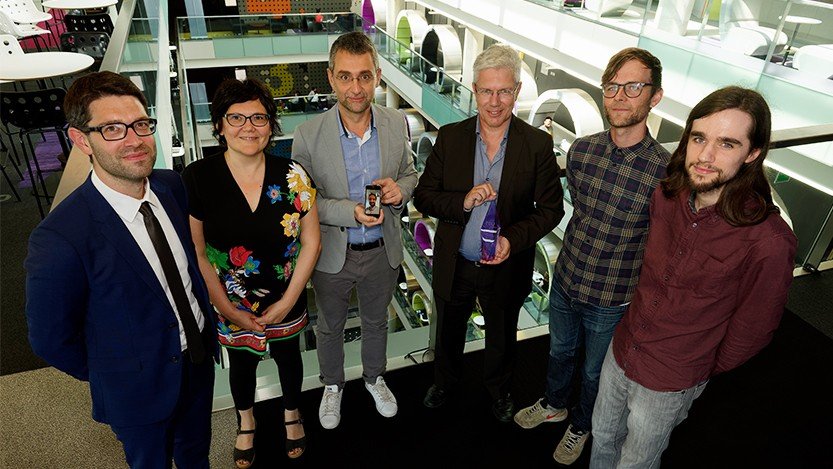
In 2018, BBC R&D, IRT, FTV and b>com receive the EBU Technology & Innovation Award for this joint effort.
With Fraunhofer IIS in the ORPHEUS consortium, a driver behind MPEG-H, both ecosystems get closely related in structure and functionalities, with ADM being implemented as metadata authoring option.
- 2017: ITU-R BS.2076-1 published containing major extensions to the model, regarded as first official version and leading towards the ...
-
2019: Dolby Atmos Master ADMd Profile V1.0 - the first commercial implementation of ADM, based upon BS.2076-0. Alongside, with Dolby Atmos authoring tools, ADM becomes an alternative mastering format to Dolby's proprietary DAMF. ADM will prevail.
-
2019: ITU-R BS.2076-2 published. It forms the basis also for the ...
-
2020: MPEG-H Production Profile v1.0 that incorporates object-based key features of ADM such as adaptive dialogue levels etc.
-
2021: EAR Production Suite published. A paradigmatic implementation of ADMv2 for REAPER DAW
-
2021: IRT dissolved. After 65 years, PSB shareholders ARD, ZDF, ORF and SRG decided to close down their prestigious R&D institution. Audio staff of the IRT was very much involved in and dedicated to ADM's development. Their departure leaves a huge gap in ongoing efforts. IRT's tech blog has been -preserved here You'll find interesting posts on ADM development, too.
-
2021: UHD-Recommendation EBU R153/R154 proposes ADM for more efficient handling replacing conventional track layouts
-
2021: MediaInfo implements ADM (sponsored by EBU). Meanwhile MediaInfo and related apps have become essential to parse and visualise ADM metadata.

- 2022: EBU's three day PERSONALISED SOUND EXPERIENCE WORKFLOWS workshop brings together, for the first time, pioneering vendors and broadcasters to present and demo the various aspects and opportunities for ADM in practice. Participants form the nucleus of what is to become ADM-IG.
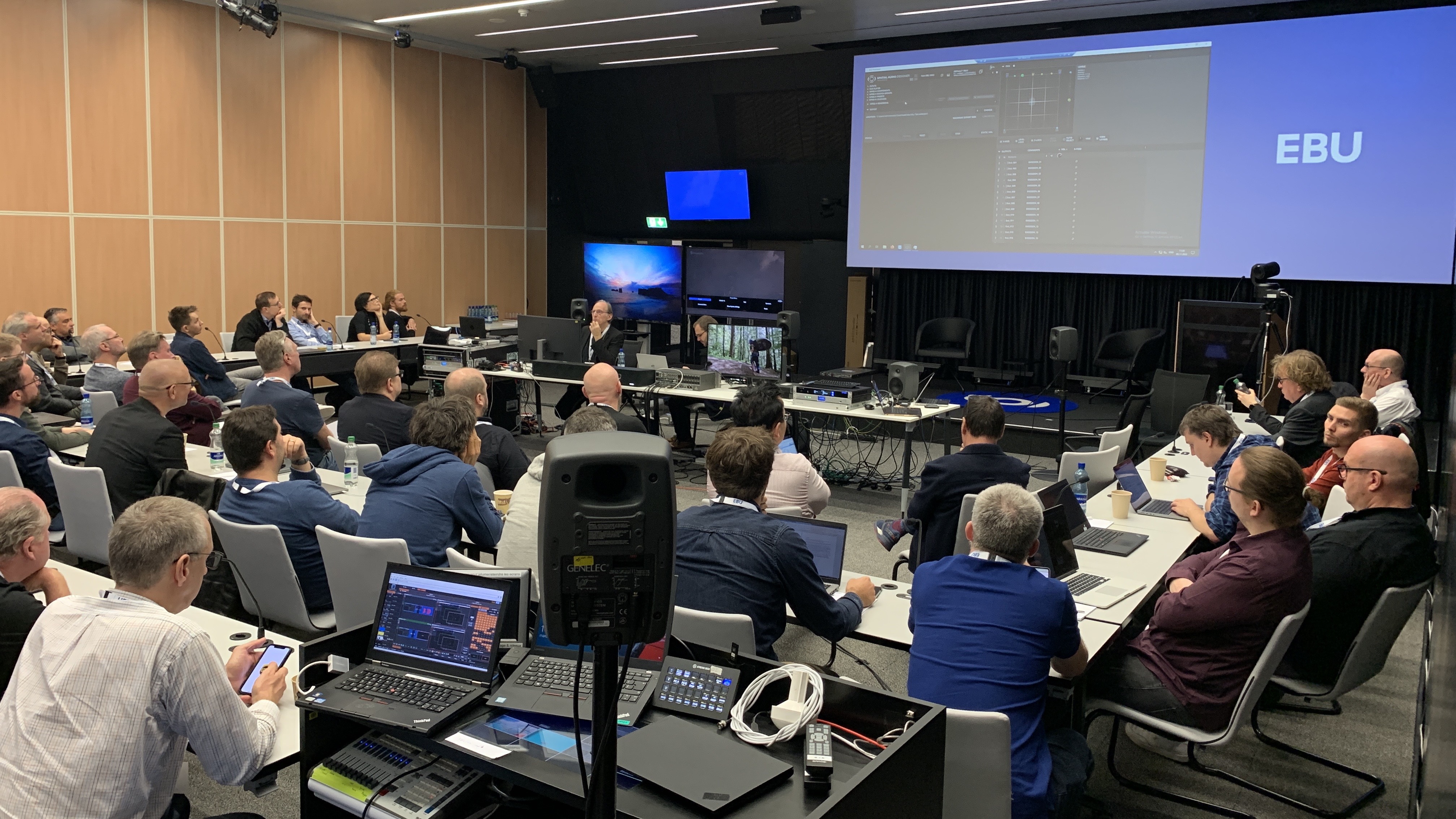
-
2024: Google/Samsung ECLIPSA/IAMF adapts ADM as basis for their own eco-system.
-
2025: ADM Emission Profile ITU-R. BS2168-0 defines NGA interoperability points for NGA codecs like AC-4 und MPEG-H
-
2025 ADM Production Profile V2 EBU TECH 3393 ADM Implementers Group (ADM* IG) launched
-
2026: ADM-IG presents ADM STUDIO, a ST 2110-based AV production- and playout set-up;
1st und 2nd ADM-Plugfest; ADM implementations shown at IBC, ITU, MXF-Plugfest... -
to be continued...